
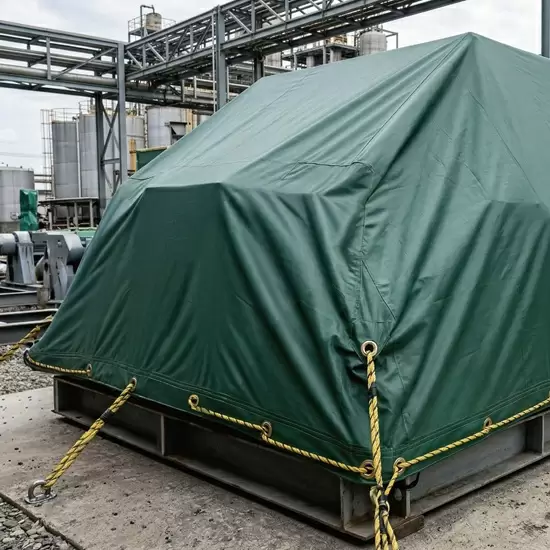
When the job is demanding, a basic cover may not provide enough protection. Construction sites, farms, factories, trucks, equipment, outdoor storage, and storm cleanup can put a Tarp through rain, wind, sunlight, abrasion, and frequent handling. These are situations where Heavy Duty Tarps will make a difference.
But what makes a Tarp Heavy Duty? And which material is best for your job?
Heavy Duty Tarps are available in many materials, weights, thicknesses, sizes, and styles. Some are completely waterproof. Others allow airflow. Some are designed for rugged industrial work, while others provide a good balance of strength, weight, and cost.
A wide selection of Heavy Duty Poly Tarps, Vinyl Tarps, Canvas Tarps, Mesh Tarps, Fire Retardant Tarps, Truck Tarps, Waterproof Tarps, and Custom Tarps are readily available. Understanding the differences can help you select the best Tarp for tough jobs.
What Makes a Tarp Heavy Duty?
There is no single feature that makes every Tarp heavy duty. Instead, several characteristics work together.
Material is an important starting point. Polyethylene, vinyl, canvas, and mesh each perform differently. Thickness and fabric weight also matter, but thicker does not automatically mean better for every application.
A Heavy Duty Tarp should be matched to the conditions it will face.
- Durable material and construction
- Waterproof or water-resistant performance
- Tear and abrasion resistance
- UV resistance for outdoor exposure
- Reinforced hems and edges
- Strong grommets or attachment points
- Resistance to mildew, rot, and other outdoor conditions
- A suitable weight and thickness for the application
Think about how the Tarp will be used before choosing one. A lightweight cover that works well for short-term storage may not be suitable for a demanding construction site or equipment that remains outdoors for months.
Heavy Duty Waterproof Tarps for Demanding Conditions
Heavy Duty Waterproof Tarps are among the most useful covers for outdoor protection.
Rain can damage tools, building supplies, machinery, vehicles, agricultural products, and stored materials. Snow and ice can create additional problems. Waterproof coverage helps keep moisture from reaching the items underneath.
Poly Tarps and Vinyl Tarps are two of the most common choices when waterproof protection is required.
Heavy Duty Waterproof Tarps can be useful for construction materials, equipment, outdoor storage, trucks, storm damage, roof protection, landscaping supplies, agricultural uses, and many other jobs.
However, waterproof performance is only part of the decision. Consider wind, sunlight, abrasion, temperature, and how often the Tarp will be installed and removed.
Heavy Duty Poly Tarps: Versatile and Waterproof
Heavy Duty Poly Tarps are a popular choice because they combine waterproof performance, manageable weight, and versatility.
Poly Tarps are commonly made with woven polyethylene that is laminated to create a waterproof barrier. Heavier versions provide increased strength for more demanding work.
These Tarps are well suited for construction, temporary outdoor storage, equipment protection, landscaping, roofing, agriculture, ground covers, and general weather protection.
Poly Tarps also come in a broad range of sizes. This makes them useful when customers need Large Tarps for covering building materials, machinery, supplies, or other large areas.
For many applications, Heavy Duty Poly Tarps provide a practical balance between protection, ease of handling, and cost.
Heavy Duty Vinyl Tarps for Industrial Protection
When tougher conditions and frequent use are involved, Heavy Duty Vinyl Tarps are worth considering.
Vinyl Tarps provide durable waterproof protection and are designed to resist abrasion, tearing, UV exposure, mildew, and other demanding conditions. Their strength makes them particularly useful for commercial and industrial environments.
Common applications include machinery and equipment covers, transportation, construction, manufacturing, warehouses, outdoor storage, and industrial protection.
Vinyl is heavier than many poly materials. That additional weight may not be necessary for every job, but it can be an advantage where durability and repeated use are priorities.
For long-term and demanding applications, a Heavy Duty Vinyl Tarp can often provide the higher level of protection required.
Heavy Duty Canvas Tarps: Tough Protection with Breathability
Canvas Tarps provide a different type of heavy duty protection.
One of their key benefits is breathability. Air can move through the fabric, which can help reduce condensation underneath the cover.
Both Waterproof Canvas Tarps and Water-Resistant Canvas Tarps are offered. It is important to understand the difference when choosing a cover.
Waterproof Canvas Tarps provide greater protection from moisture while maintaining useful canvas characteristics. Water Resistant Canvas Tarps helps repel moisture but should not be treated as completely waterproof.
Heavy Duty Canvas Tarps are useful for equipment, machinery, construction, trucking, agriculture, outdoor storage, and many residential applications where a rugged breathable cover is preferred.
Heavy Duty Mesh Tarps for Airflow, Shade, and Containment
Not every tough job requires a Waterproof Tarp.
Heavy Duty Mesh Tarps allow air to pass through while providing varying levels of shade, privacy, wind reduction, or containment.
Mesh Tarps are useful for construction sites, fences, landscaping, transportation, agriculture, livestock areas, outdoor work zones, shade structures, and debris control.
Because wind can pass through the material, Mesh Tarps may also be useful in situations where a solid Tarp would catch too much wind.
Choosing between solid and mesh material comes down to the job. If keeping water out is the priority, use a Waterproof Tarp. If airflow, shade, visibility control, or containment is more important, mesh may be the better choice.
Heavy Duty vs. Extra Heavy Duty Tarps
Customers often see terms such as Heavy Duty, Extra Heavy Duty, Super Heavy Duty, and industrial Heavy Duty Tarps.
These descriptions can be helpful, but they should not be the only factor in your decision.
Compare the actual material, thickness, fabric weight, construction, grommet spacing, hems, waterproof properties, UV resistance, and other specifications.
A Super Heavy Duty Tarp may be the right choice for repeated outdoor use, industrial equipment, demanding construction work, transportation, or long-term storage. But the thickest Tarp available is not automatically the best choice.
A Tarp that is too heavy can become difficult to handle. The goal is to find enough strength for the application without adding unnecessary weight or cost.
Where Are Heavy Duty Tarps Used?
One reason Heavy Duty Tarps are so popular is their versatility.
Construction companies use them to protect supplies, building materials, tools, machinery, roofs, and work areas. Farms use heavy tarps for equipment, hay, supplies, livestock areas, and temporary shelters.
Manufacturers, warehouses, and jobsites use Industrial Tarps and Covers to protect equipment, machinery, inventory, and workspaces. Trucking and transportation operations use durable Truck Tarps to protect cargo.
Around homes and commercial properties, Heavy Duty Waterproof Tarps can cover outdoor equipment, firewood, patio items, landscaping materials, recreational equipment, and stored property.
They are also valuable during severe weather and cleanup. Storms can leave roofs, structures, equipment, and supplies exposed to rain and additional damage. A strong Waterproof Tarp can provide temporary protection while permanent repairs are planned.
Which Heavy Duty Tarp Is Best for Your Job?
There is no single tarp material that is best for every application.
Start by identifying your biggest challenge. Is it rain? Sunlight? Wind? Abrasion? Repeated handling? Airflow? Fire-retardant requirements?
Then choose the Tarp material and construction that best address those conditions.
Do You Need a Custom Heavy Duty Tarp?
Standard Tarp sizes work well for many jobs. Some applications, however, require something more specific.
Heavy Duty Custom Tarps can be made for machinery, equipment, industrial areas, construction projects, unusual dimensions, and specialized commercial applications.
Custom options can include specific dimensions, materials, colors, grommet placement, reinforced edges, D-rings, pole pockets, hook-and-loop fasteners, and other features.
A properly sized Custom Tarp can provide better coverage and reduce excess material compared with trying to adapt a standard tarp to an unusual shape or area.
Tarps Now offers custom tarp options along with convenient online Custom Size Tarp Builder App to help simplify the ordering process.
Choosing Heavy Duty Tarps That Can Handle the Job
A strong Tarp starts with the right material.
Before ordering, consider where the Tarp will be used, what it will protect, how long it will remain outdoors, how much handling it will receive, and whether you need waterproof protection or airflow.
For general waterproof coverage, a Heavy Duty Poly Tarp may be an excellent choice. For demanding commercial or industrial applications, Heavy Duty Vinyl may provide the added durability required. Heavy Duty Canvas Tarps work well when rugged protection and breathability matter. Mesh Tarps provide airflow, shade, privacy, and containment. Specialized Fire Retardant and Custom Tarps can address applications that require additional features.
Whether you need a Heavy Duty Waterproof Tarp, Heavy Duty Poly Tarp, Vinyl Tarp, Canvas Tarp, Mesh Tarp, Industrial Tarp, Construction Tarp, or Custom Tarp, matching the product to the job is the key.
Tarps Now provides Heavy Duty Tarps and Covers for tough jobs of many sizes. Choosing carefully can help protect equipment, materials, supplies, property, and work areas from weather, wear, and demanding conditions.
If you have questions or need assistance with any of our products, please contact Tarps Now at (888) 800-1383 or sales@tarpsnow.com where a knowledgeable and helpful team member located at the Michigan headquarters looks forward to speaking with you.
