
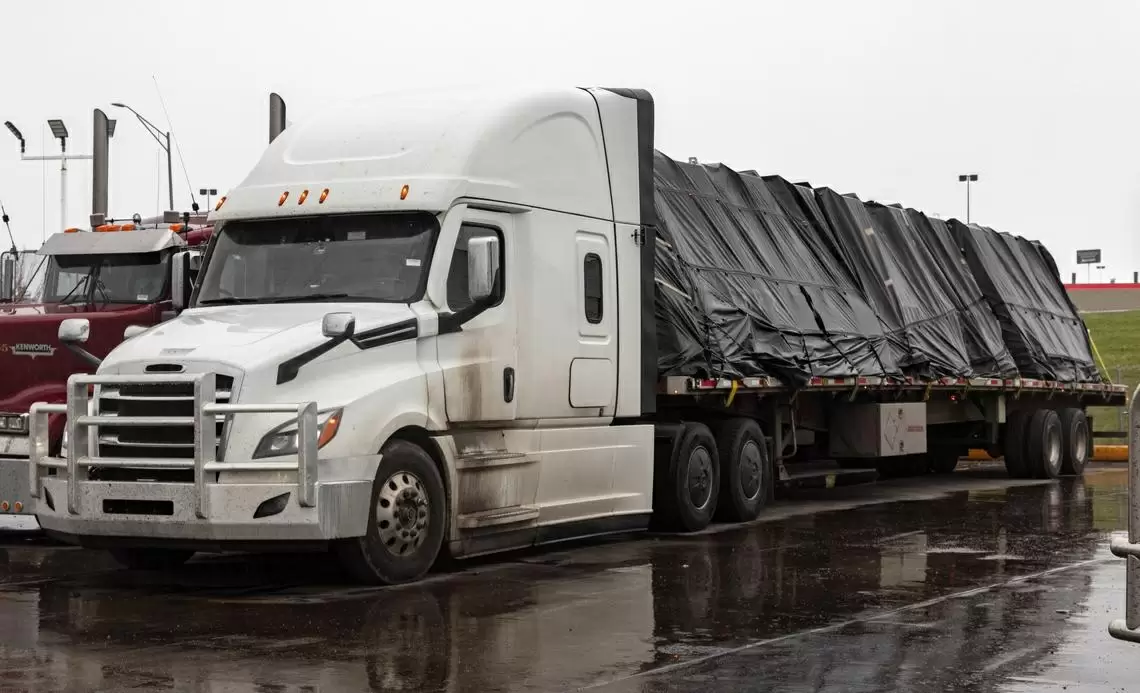
Winter brings a new set of challenges for the trucking and transportation industry. Snow, freezing rain, ice, road salt, strong winds, and changing temperatures can make transporting cargo more difficult. Whether hauling construction materials, steel, machinery, lumber, agricultural supplies, or industrial equipment, keeping freight protected is essential.
Truck Tarps provide a practical and dependable solution. They help shield cargo from moisture, road debris, dirt, and other damaging conditions. They also help contain certain loads during transportation. With the right Tarp, proper installation, and regular maintenance, truckers can reduce cargo damage and keep deliveries moving throughout the winter.
From Heavy Duty Vinyl Truck Tarps to lightweight Polyethylene Tarps and breathable Canvas Tarps, there are many options available for different types of freight.
Why Truck Tarps Matter During Winter and Poor Weather
Truck Tarps are an important part of freight protection throughout the year. However, their value becomes even greater during winter and periods of poor weather.
Rain and melting snow can soak into lumber, packaging, and other materials. Ice can collect on exposed cargo, while road salt and grime may damage metal surfaces and equipment. Wind can also create problems for unsecured or poorly covered loads.
A properly selected Truck Tarp helps create a protective barrier between cargo and the elements. Waterproof materials keep rain and snow from reaching covered areas, while reinforced edges and secure tie-down points help the Tarp withstand highway travel.
Truck Tarps offer several important benefits:
- Weather Protection: Help shield freight from rain, snow, ice, wind, and road spray.
- Cargo Preservation: Reduce exposure to moisture, dirt, and damaging debris.
- Load Containment: Help keep loose materials from escaping during transportation.
- Operational Efficiency: Reduce weather-related cargo problems and unnecessary cleanup.
Truck Tarps also support professional freight handling. A properly covered load demonstrates attention to cargo protection and customer expectations.
It is important to remember that Tarps are not a substitute for required cargo securement devices. Loads must still be properly restrained according to applicable transportation safety regulations.
Choosing the Right Truck Tarp Materials
Different materials offer different advantages. Selecting the best material depends on the type of cargo, weather exposure, frequency of use, and transportation conditions.
Vinyl Truck Tarps
Heavy duty vinyl is among the most popular materials for commercial Truck Tarps. Typically made from PVC-coated polyester fabric, vinyl provides excellent waterproof protection along with resistance to abrasion, tearing, and repeated outdoor exposure.
Vinyl Truck Tarps are especially useful for flatbed hauling, steel transportation, lumber shipments, and heavy equipment. Reinforced hems, heat-sealed seams, and durable attachment points make them well suited for demanding applications.
Polyethylene Truck Tarps
Polyethylene, commonly called poly, provides a lightweight and economical option for covering cargo. Poly Tarps are waterproof and available in several thicknesses, sizes, and strengths.
Heavy Duty and Reinforced Poly Tarps can protect general freight, equipment, supplies, and materials during temporary transportation or storage. Their lighter weight makes them easier to handle, although they may not offer the same long-term abrasion resistance as heavy duty vinyl.
Polyester Truck Tarp Materials
Polyester is widely used as a strong woven base fabric for coated truck tarps. It contributes tensile strength, dimensional stability, and resistance to stretching.
When coated with vinyl or other protective compounds, polyester-based fabrics become effective materials for demanding trucking applications.
Canvas Truck Tarps
Canvas Tarps provide a durable and breathable covering option. Available in treated cotton duck materials, canvas is useful for loads that benefit from airflow and protection from dirt, dust, and moderate weather exposure.
Water-resistant and waterproof-treated canvas options are available. However, canvas should be selected carefully for prolonged snow, ice, and heavy rain exposure because performance varies by treatment and construction.
Popular Truck Tarps for Different Hauling Applications
No single Truck Tarp is suitable for every load. Different cargo shapes, materials, and hauling methods require specialized protection.
Lumber Tarps and Flatbed Tarps
Lumber Tarps are designed to protect large, tall, and often irregular loads carried on flatbed trailers. They commonly feature substantial side drops and end flaps to cover stacked lumber, building materials, drywall, and similar freight.
Heavy Duty Vinyl Lumber Tarps provide waterproof coverage against rain, snow, and road spray. Reinforced areas and attachment points help maintain coverage during transportation.
Steel Truck Tarps
Steel Truck Tarps are generally designed for lower-profile loads such as steel beams, plates, pipes, and fabricated metal products.
Compared with many Lumber Tarps, Steel Tarps often have shorter side drops, making them easier to handle on compact loads. Waterproof vinyl construction helps protect steel cargo from rain, snow, and road salt exposure.
Coil Tarps
Coil Truck Tarps provide specialized protection for steel coils and other cylindrical cargo.
The Coil Tarp shape helps cover rounded loads while reducing excess fabric. These Covers help protect metal surfaces from moisture, dirt, and road debris during transportation.
Machinery Tarps
Machinery Tarps protect valuable equipment, industrial components, and heavy machinery during transportation.
These Covers are especially important in winter when exposed metal, electrical components, and sensitive equipment may be affected by moisture and road contamination. Heavy duty vinyl and reinforced Tarp materials provide dependable coverage for irregularly shaped loads.
Smoke Tarps
Smoke Truck Tarps, sometimes called Nose Tarps, are positioned near the front of flatbed loads.
They help shield cargo from exhaust smoke, road spray, soot, dirt, grime, and debris encountered during highway travel. Smoke Tarps are often used with larger Truck Tarps for additional protection.
Transfer Trailer Tarps
Transfer Trailer Tarps are used for refuse, recycling, waste materials, and other bulk loads.
They help contain materials during transportation and reduce exposure to wind and weather. Heavy duty materials are important because these applications often involve repeated use, abrasive materials, and demanding working conditions.
Asphalt RFL Truck Tarps
Asphalt RFL Truck Tarps are used in specialized hauling applications, including asphalt and other bulk material transportation.
These Covers help contain loads and provide protection during transportation. Depending on the application, they may also help reduce heat loss. The Resorcinol Formaldehyde Latex (RFL) Tarp material must be selected for the actual load temperature and operating conditions.
Landscape Tarps and Nursery Tarps
Landscapte Tarps / Nursery Tarps help protect plants, shrubs, trees, mulch, branches, and landscaping supplies.
Mesh materials are popular because they allow airflow while helping contain lightweight materials. During cold weather, more protective coverings may be appropriate for certain plants and temperature-sensitive products.
Mesh Truck Tarps
Mesh Truck Tarps provide airflow and partial visibility while helping contain loose materials.
These Covers are widely used for hauling debris, landscaping materials, refuse, and other loads that do not require complete waterproof protection. Mesh Tarps can also reduce the wind resistance associated with solid covers, although proper attachment remains essential.
Custom Truck Tarps
Some loads require dimensions, shapes, and attachment features that Standard Size Tarps cannot provide.
Custom Truck Tarps can be manufactured with desired features such as lengths, widths, drops, reinforced areas, D-rings, and grommet placements. They are valuable for oversized machinery, specialty trailers, unusual cargo, and recurring commercial hauling applications.
General Tarps
General Tarps provide versatile protection for freight, supplies, tools, and equipment.
Vinyl, poly, and canvas tarps are available for different coverage needs. They are useful for temporary load protection, equipment storage, and many everyday transportation tasks.
Truck Tarp Accessories: Small Parts That Make a Big Difference
A Truck Tarp is only as effective as its installation and attachment system. The right accessories help maintain coverage and reduce movement during transportation.
Rubber Tarp Straps provide flexible tension and are commonly used to secure Truck Tarps to trailer attachment points. Cold-rated straps are especially important in freezing temperatures.
Tarp Bungee Ball Cords provide convenient attachment for smaller covers, grommeted Tarps, and selected light-duty applications.
Tarp Cord / Rope offer versatile attachment options for securing covers, bundling materials, and handling general tarp applications.
Tarp Repair Tape helps repair small holes, tears, and worn areas before they become larger problems.
Tarp Glue and Tarp Cement is a specialized adhesive used to repair Truck Tarps, reinforce damaged areas, and bond compatible Tarp materials. It is especially useful for repairing small tears, attaching patches, and extending the service life of vinyl and other suitable tarp fabrics. Always select an adhesive compatible with the Tarp material and follow the manufacturer's application and curing instructions.
Grommet Kits allow users to replace or add attachment points where the tarp construction and application permit.
Selecting the proper accessories is particularly important during winter when cold temperatures, strong winds, and freezing precipitation can place additional stress on Tarp materials and attachment points.
Truck Tarp Care and Maintenance During Winter
Regular Tarp Care helps extend product life and maintain reliable protection.
Before every trip, inspect Tarps for tears, worn edges, loose stitching, damaged grommets, and weakened attachment points. Check straps and cords for cracks, cuts, and loss of elasticity.
Remove snow and ice carefully before folding or storing tarps. Avoid pulling frozen material or forcing stiff fabric around sharp corners.
Clean Tarps using mild soap, water, and a soft brush. Avoid harsh chemicals that may damage coatings or protective treatments.
Allow Tarps to dry thoroughly before long-term storage whenever practical. Store them in a clean, dry location away from sharp objects and excessive heat.
Repair small damage promptly using compatible Tarp Repair materials. Replace Tarps when wear compromises their ability to protect cargo.
Finally, make sure the Tarp is properly tensioned and secured. Loose fabric can flap during highway travel, creating premature wear and possible safety hazards.
Keep Freight Moving with Reliable Truck Tarps
Winter weather does not stop the trucking industry. Freight still needs to reach construction sites, manufacturing facilities, warehouses, farms, retailers, and customers across the country.
Choosing the right Truck Tarp helps protect those shipments from the challenges of snow, rain, ice, wind, and road debris.
From Lumber Tarps and Steel Tarps to Machinery Covers, Mesh Truck Tarps, and Custom Truck Tarps, the right combination of materials, construction, and accessories makes a difference.
Tarps Now Helps Protect Trucks and Freight
Tarps Now offers a wide selection of Truck Tarps, heavy duty materials, Custom Tarp Solutions, and accessories for commercial transportation and everyday hauling needs.
For assistance selecting Truck Tarps for your equipment, freight, and winter hauling conditions, contact the knowledgeable customer service team at Tarps Now's Michigan headquarters.
Visit TarpsNow.com, call (888) 800-1383, or email [email protected] to explore Truck Tarp Products and Custom Solutions.
