
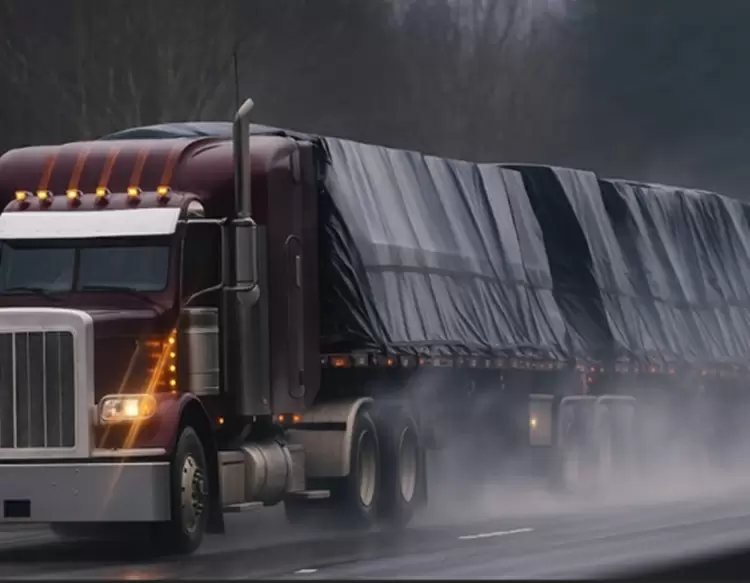
Truck Tarps are among the most essential tools in the trucking and transportation industry. From safeguarding cargo on flatbed trailers to helping companies comply with safety regulations, these durable protective covers play a vital role in keeping supply chains moving efficiently. Whether hauling lumber, steel coils, machinery, or landscaping materials, Truck Tarps provide dependable protection against weather, road debris, shifting loads, and environmental hazards.
Today’s modern logistics network depends on reliable cargo protection, and Truck Tarps are a cornerstone of that reliability. As freight volumes increase and transportation routes grow more complex, the demand for high-performance Tarp Solutions continues to expand. In fact, the global truck tarp market was valued at approximately $2.1 billion in 2024 and is projected to reach about $2.72 billion by 2034, reflecting steady growth driven by construction, agriculture, and logistics industries.
This guide explores the importance of Truck Tarps, their historical and statistical significance, the materials used in their construction, common Tarp types, accessories, care tips, and essential safety practices.
The Importance of Truck Tarps in the Trucking and Transportation Industry
Truck Tarps are far more than simple covers; they are critical tools for safety, efficiency, and compliance. Millions of commercial vehicles operate across North America every day, transporting goods that must arrive intact and on time. Without proper freight protection, shipments could be damaged, lost, or delayed.
Why Truck Tarps Matter
1. Cargo Protection
Truck Tarps shield freight from rain, snow, wind, dirt, debris, and ultraviolet (UV) ray exposure. Weather and other hazards protection help preserve product quality and reduce costly losses during transit.
2. Safety and Compliance
Properly secured Tarps prevent debris from falling onto roadways, protecting drivers and the public. Many transportation regulations require loads to be covered or contained.
3. Operational Efficiency
Reliable Tarp systems reduce delays caused by damaged goods or reloading shipments.
4. Cost Savings
Protecting cargo minimizes replacement costs, insurance claims, and downtime.
Demand for truck Covers continues to rise because fleets rely on dependable materials that offer weather protection and driver convenience. As the transportation sector grows, Tarps remain a key component of modern logistics operations.
A Brief History of Truck Tarps and Their Role in the Tarp Industry
The history of Truck Tarps is closely tied to the development of global trade and transportation.
The term “tarpaulin” originated from tarred canvas coverings used on ships, where sailors protected cargo from harsh sea conditions.
In the 19th century, canvas became the dominant material for Industrial Tarps because it was durable and weather resistant. These early Tarps were widely used in maritime, military, and transportation applications.
Modern Advancements
The 20th century introduced synthetic materials such as:
- Polyethylene
- Vinyl
- Polyester
These materials transformed the Tarp Industry by offering improved durability, being waterproof, and resistance to environmental stress.
Today, the global Tarp Industry continues to expand rapidly. Industry forecasts estimate the overall Tarp market will reach approximately $10.76 billion by 2029, driven by demand across construction, agriculture, and transportation sectors.
Truck Tarps remain one of the most important segments within this broader market because of their constant use in freight transportation.
Materials Used in Modern Truck Tarps
Truck Tarps are engineered from specialized materials designed to withstand extreme conditions. Each material offers unique benefits depending on the cargo and operating environment.
Vinyl
Vinyl Tarps are among the most widely used materials in heavy-duty trucking.
Key Features
- Waterproof and weather-resistant
- High abrasion resistance
- Resistant to oil, grease, and chemicals
- Long service life
Vinyl Tarps are commonly used for steel, machinery, and heavy industrial loads because they can withstand demanding transportation environments.
Polyethylene (Poly)
Polyethylene Tarps are lightweight, durable, and cost-effective.
Key Features
- Strong and waterproof construction
- UV resistance for outdoor exposure
- Lightweight and easy to handle
- Excellent value for general applications
Poly Tarps are widely used because they offer reliable durability and repel water at an affordable cost.
Polyester
Polyester Tarps provide a balance between strength and flexibility.
Key Features
- Excellent tear resistance
- Lightweight yet durable
- Weather and UV resistance
- Popular for long-distance hauling
Polyester is becoming one of the most popular materials in the Truck Tarp Market due to its durability and performance in demanding conditions.
Canvas
Canvas Tarps remain a trusted solution for breathable cargo protection.
Key Features
- Water-resistant construction
- Breathable fabric reduces condensation
- Durable and reusable
- Ideal for temperature-sensitive loads
Canvas Tarps are especially useful for transporting materials that require airflow, such as agricultural products or equipment.
Popular Types of Truck Tarps and Their Applications
Truck Tarps are designed for specific cargo types and transportation requirements. Below are some of the most widely used options in the trucking industry.
Lumber Tarps
Lumber Tarps / Flatbed Tarps are used to protect building materials such as:
- Lumber
- Plywood
- Roofing materials
- Construction supplies
These Tarps typically feature reinforced flaps and heavy duty fabric to secure large loads on flatbed trailers.
Steel Tarps
Flatbed Steel Tarps are designed for hauling heavy industrial materials.
Common Uses
- Steel sheets
- Metal coils
- Industrial components
Steel Tarps are usually shorter and heavier than lumber tarps to accommodate dense cargo.
Coil Tarps
Coil Truck Tarps protect cylindrical loads such as steel coils.
Key Benefits
- Custom-fitted design
- High strength and durability
- Enhanced load stability
Machinery Tarps
Machinery Tarps provide coverage for oversized equipment.
These Heavy Duty Tarps are commonly constructed from durable vinyl-coated polyester materials designed to protect valuable cargo during transport or storage.
Smoke Tarps
Smoke Tarps are smaller tarps placed at the front of a load to protect cargo from:
- Road debris
- Smoke, soot, or exhaust residue
- Weather exposure
Transfer Trailer Tarps
Transfer Trailer Tarps are commonly used in dump trucks and hauling systems.
Applications
- Construction debris
- Gravel and sand
- Waste and recycling materials
RFL Truck Tarps (Resorcinol Formaldehyde Latex)
Asphalt RFL Tarps are engineered for the demanding hauling of asphalt.
Features
- Heavy-duty construction
- Prevents hot asphalt from sticking or burning through
- Enhanced durability
These RFL Tarps are frequently used in construction and specialized transportation sectors.
Landscape Tarps
Landscape Tarps / Nursery Tarps are designed for transporting:
- Soil
- Mulch
- Trees
- Bush and tree trimmings
- Yard waste
These Tarps are commonly used in landscaping and municipal maintenance operations.
Mesh Truck Tarps
Mesh Truck Tarps allow airflow while securing loose materials.
Common Uses
- Debris hauling
- Agriculture transport
- Construction materials
Mesh Truck Tarps provide ventilation while preventing materials from escaping during transit.
Custom Truck Tarps
Custom Truck Tarps are tailored for unique cargo requirements.
Benefits
- Exact fit for specialized loads
- Improved cargo protection
- Increased efficiency
Custom Taro solutions are especially valuable for companies transporting irregularly shaped equipment.
General / Standard Tarps
Standard Tarps are versatile covers suitable for everyday transportation needs.
Common Applications
- General freight
- Equipment storage
- Temporary protection
These General Tarps provide reliable protection for a wide range of cargo types.
Truck Tarp Accessories
Truck Tarp Accessories help ensure proper installation, security, and durability.
Essential Accessories
- Tarp Bungee Ball Cords
- Rubber Tarp Straps
- Rope and Cord Tie-down
- Tarp Tape and Tarp Glue
- Grommet kits
Using the right Tarp Accessories improves safety and extends the lifespan of Truck Tarps.
Tarp Care Tips for Long-Lasting Performance
Proper maintenance helps maximize the lifespan of Truck Tarps and ensures reliable performance.
Cleaning
- Use mild soap (or Tarp Cleaners) and warm water
- Rinse thoroughly
- Avoid harsh chemicals and detergents
Drying
Always allow Tarps to dry completely before storage to prevent mold and mildew.
Storage
Store Tarps in:
- Cool environments
- Dry locations
- Areas away from direct sunlight and high heat sources
Inspection
Regularly check for:
- Tears or punctures
- Loose seams
- Damaged grommets
Prompt repairs help prevent small issues from becoming major problems.
Safety Basics for Truck Tarp Use
Safety is one of the most important aspects of Tarp handling and installation.
Follow These Safety Guidelines
1. Use Proper Lifting Techniques
Truck Tarps can be heavy. Use teamwork or mechanical assistance when necessary.
2. Secure All Tie-Down Points
Ensure straps and fasteners are evenly distributed to prevent unnecessary stress on the Tarps.
3. Wear Protective Equipment
Recommended gear includes:
- Gloves
- Safety boots
- Hard hats
- High-visibility clothing
4. Inspect Before Every Trip
Check that Tarps are properly secured and free of damage before every haul.
Why Truck Tarps Will Continue to Matter
Truck Tarps are essential to the modern economy. As supply chains expand and transportation networks grow, the need for reliable cargo protection will only increase.
Several trends are driving continued demand:
- Growth in e-commerce and logistics
- Expansion of construction and infrastructure projects
- Increased safety and environmental regulations
- Advances in Tarp materials and technology
North America continues to hold a significant share of the truck tarp market, largely due to the strength of its transportation and logistics industries.
Simply put, Truck Tarps help keep goods moving safely, efficiently, and reliably across highways every day.
Covering Your Freight Needs
Truck Tarps are one of the most important tools in the trucking and transportation industry. From their historical roots in canvas coverings to today’s advanced synthetic materials, these protective Covers have evolved to meet the demanding needs of modern logistics.
Whether hauling lumber, steel, machinery, landscaping materials, or general freight, Truck Tarps provide:
- Protection
- Safety
- Efficiency
- Reliability
As the transportation industry continues to grow, Truck Tarps will remain a critical component of cargo management and supply chain success.
If you have any questions on Truck Tarps, General Tarps, and Tarp Accessories, please contact Tarps Now today at (888) 800-1383 or sales@tarpsnow.com where one of the helpful team members located at the Michigan headquarters looks forward to working with you.
