
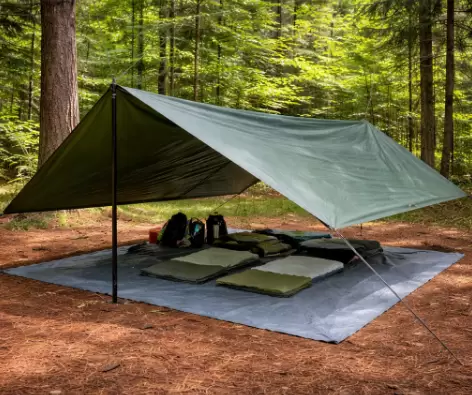
As the camping season kicks off this year, outdoor enthusiasts, from first-time campers to seasoned adventurers, begin preparing gear, planning destinations, and thinking about comfort and safety in the great outdoors. One of the most versatile, affordable, and essential pieces of camping equipment is the Tarp.
Whether you are heading to a campground, setting up a basecamp for hiking or hunting, or simply enjoying a weekend getaway, Poly Tarps, Vinyl Tarps, Canvas Tarps, and Mesh Tarps provide dependable protection from rain, sun, wind, and rough terrain. They can transform a basic campsite into a dry, organized, and private outdoor living space and in emergency situations, they can even help save the day.
This Camping 101 guide walks through the fundamentals of using Tarps for camping, including material choices, core uses, creative applications, safety tips, and practical advice to help start the season strong.
Why Tarps Are a Must-Have for Every Camping Trip
Camping gear has evolved significantly over the years, but Tarps remain one of the most reliable and adaptable tools available. Their durability, portability, and wide range of uses make them ideal for both recreational campers and professionals working in outdoor environments.
Key Benefits of Using Tarps for Camping
- Weather Protection: Shields campers and gear from rain, wind, and sun
- Ground Protection: Keeps sleeping areas dry and clean
- Privacy: Creates visual barriers in shared campsites
- Versatility: Serves dozens of uses from shelter to emergency aid
- Affordability: Provides high value for minimal cost
- Durability: Withstands tough outdoor conditions
A properly selected Tarp can significantly improve comfort, extend equipment life, and reduce risks associated with unpredictable weather.
Poly Tarps: Lightweight, Waterproof, and Budget-Friendly
Polyethylene (Poly) Tarps are among the most popular choices for camping due to their balance of affordability, waterproof performance, and ease of handling.
Why Poly Tarps Work Well for Camping
Poly Tarps are lightweight and easy to pack, making them ideal for backpacking, car camping, and family trips. Their waterproof properties help keep gear and sleeping areas dry during sudden rainstorms.
Common Camping Uses for Poly Tarps
- Tent footprints and groundcovers
- Rain flies and overhead shelters
- Firewood protection
- Equipment and cooler covers
- Temporary windbreaks
- Trail or campsite cleanup hauling
Poly Tarps are often the first Tarp many campers own, and for good reason. They deliver dependable protection without adding unnecessary weight to your gear.
Vinyl Tarps: Heavy Duty Protection for Tough Conditions
When durability and long-term protection matter most, Vinyl Tarps step in as the heavy duty solution. These Tarps including Clear Vinyl Tarps are known for their strength, resistance to abrasion, and ability to withstand harsh weather conditions.
Advantages of Vinyl Tarps in Camping
- Superior waterproof performance
- High tear and puncture resistance
- UV and mildew resistance
- Long service life
- Reliable protection in severe weather
Best Uses for Vinyl Tarps
- Extended camping trips
- Equipment and generator coverage
- Basecamp shelters
- Wind and weather barriers
- Camp kitchen protection
- Storm-ready campsite setups
Vinyl Tarps are particularly useful for campers who frequent rugged environments or unpredictable climates.
Canvas Tarps: Breathable Comfort and Classic Reliability
Canvas Tarps have been trusted by campers, hunters, and outdoor workers for generations. Their breathable fabric reduces condensation buildup while providing dependable protection from sun and light rain.
Why Canvas Tarps Are Popular with Traditional Campers
Canvas Tarps offer a balance of durability and comfort, especially in moderate climates. They are also quieter than Poly Tarps in windy conditions, a feature appreciated by campers seeking a peaceful night's sleep. Waterproof Canvas Tarps are ideal when water protection is important.
Common Uses for Canvas Tarps
- Tent shelters
- Sunshades
- Privacy walls
- Picnic area covers
- Gear storage
- Comfortable sleeping shelters
Canvas Tarps are especially favored for longer stays and rustic camping environments.
Mesh Tarps: Breathable Protection for Airflow, Shade, and Bug Control
Mesh Tarps are an increasingly popular choice for campers who want protection without trapping heat or blocking airflow. Made from durable woven materials, Mesh Tarps provide shade, visibility, and ventilation while allowing air to pass through. This makes them especially valuable during warm-weather camping, coastal trips, and extended outdoor stays where comfort and airflow are essential.
Unlike Solid Tarps, Mesh Tarps help reduce wind pressure and heat buildup, creating a more comfortable camping environment. They are also lightweight, easy to handle, and highly versatile across a wide range of camping applications.
Key Benefits of Mesh Tarps for Camping/p>
- Excellent Airflow: Allows wind and fresh air to circulate freely
- Shade Protection: Helps reduce sun exposure and heat buildup
- Wind Reduction: Breaks wind force without acting like a sail
- Lightweight and Easy to Pack: Ideal for travel and mobile campsites
- Visibility: Maintains sightlines for safety and situational awareness
- Durability: Resistant to tearing and abrasion
- Moisture Drainage: Prevents water pooling and mildew buildup
These benefits make Mesh Tarps a reliable companion for campers who prioritize comfort, ventilation, and adaptability in changing outdoor conditions.
Popular Uses for Mesh Tarps in Camping
Mesh tarps are particularly useful in environments where airflow, shade, and partial protection are more important than complete waterproof coverage.
Common camping applications include:
- Shade canopies over tents or seating areas
- Windbreaks around campsites
- Bug and debris barriers near cooking areas
- Firewood and equipment covers
- Privacy screens in crowded campgrounds
- Hammock shade protection
- Sand and dust control in desert environments
- Beach camping wind and sun shields
For campers in warmer climates or during peak summer camping season, Mesh Tarps provide a comfortable balance between protection and ventilation.
Many experienced campers pack both a Waterproof Tarp and a Mesh Tarp to handle different environmental conditions and needs throughout trips.
Essential Tarp Uses for Camping
Tarps play a central role in creating safe and comfortable outdoor living spaces. Below are the most common and practical uses every camper should understand.
1) Tent Covers and Rain Protection
A Tarp placed above a tent will perform as a rain fly, preventing water from pooling or seeping into sleeping areas.
Benefits include:
- Eliminate water inside the tent
- Increased versatility in shelter layouts
- Protection from falling debris
- Extended tent lifespan
2) Shelter and Campsite Structures
Tarps can quickly transform into shelters using rope, poles, or nearby trees.
Popular shelter setups include:
- A-frame shelter
- Lean-to shelter
- Tarp canopy
- Dining area cover
- Emergency storm shelter
These structures provide reliable protection from rain and sun while creating usable outdoor living spaces.
3) Equipment Coverage and Protection
Outdoor gear represents a significant investment, and Tarps help protect the equipment from weather and damage.
Common items protected by Tarps include:
- Backpacks
- Sleeping bags
- Coolers
- Cooking equipment
- Firewood
- Tools
- Bikes, canoes, and kayaks
Keeping gear dry and organized improves both safety and comfort.
4) Groundcovers and Tent Footprints
Ground moisture and water can quickly make camping uncomfortable. A Tarp placed beneath a tent helps prevent water intrusion and reduces wear on the tent floor.
Benefits include:
- Cleaner sleeping surfaces
- Reduced moisture buildup
- Protection from rocks and roots
- Longer tent life
5) Sun and Wind Shields
Tarps can be positioned to block wind or create shaded areas, improving comfort during hot or breezy conditions.
These setups are especially helpful for:
- Tent and shelter areas
- Cooking areas
- Makeshift showers
- Rest zones
- Beach camping
- Open field environments
6) Privacy Barriers for Campsites
Campgrounds and shared outdoor spaces often lack privacy. Tarps can be quickly installed to create private changing areas, rest spaces, or equipment zones.
Privacy tarp setups can help:
- Improve comfort
- Reduce visual exposure
- Define campsite boundaries
- Enhance overall campsite organization
Emergency and Creative Uses for Camping Tarps
One of the greatest strengths of Tarps is their adaptability. In unexpected situations, a Tarp can become an essential safety tool.
Emergency and Survival Applications
Tarps can serve as:
- Emergency shelter
- Rain poncho
- Stretcher
- Warm wrap or blanket
- Ground insulation layer
- Signal marker
- Wind barrier
These uses can make a significant difference in harsh weather or emergency situations.
Creative Camping Applications
Tarps are also useful in everyday campsite tasks.
Examples include:
- Easy to use hammock
- Water collection system
- Gear sorting surface
- Cooking area floor
- Improvised table cover
The creative uses demonstrate why experienced campers rarely head outdoors without at least one Tarp.
Choosing the Right Tarp for Your Camping Trip
Selecting the correct tarp depends on several factors, including trip length, weather conditions, and equipment needs.
Quick Selection Guide
Camping Needs with Suggested Tarps:
- Lightweight Travel – Poly Tarps
- Heavy Rain and Storms – Vinyl Tarps
- Comfort for long stays – Canvas Tarps
- Sun and Wind Protection - Mesh tarps
- Budget Friendly – Poly Tarps
- Quiet, Breathable Shelter – Canvas Tarps
Many experienced campers carry multiple Tarps to handle different situations.
Basic Tarp Setup Tips for Camping Success
Using a Tarp effectively requires proper setup and maintenance.
Installation Tips
- Use all available grommets for even tension
- Secure corners tightly
- Fasten Tarps through grommets with items such as Zip Ties, Ball Bungee Cords, Rubber Tarp Straps, and Cord
- Angle Tarps to allow water runoff
- Keep Tarps elevated above sleeping areas
- Check tie-downs regularly
Proper installation improves safety and extends the life of the Tarp.
Caring for Camping Tarps
Regular maintenance keeps Tarps performing reliably season after season.
Cleaning and Storage Guidelines
- Use mild soap (or Tarp Cleaners) and water for cleaning
- Avoid harsh chemicals or abrasive scrubbing
- Allow Tarps to dry completely before storage
- Store in a cool, dry location
- Inspect for damage before each trip
These simple steps help preserve the features and structural strength of Tarps.
Safety Basics for Using Tarps While Camping
Safety should always be a priority when using Tarps outdoors.
Key Safety Practices
- Keep Tarps away from open flames
- Ensure proper ventilation in enclosed areas
- Avoid over-tightening tie-downs
- Secure Tarps against strong winds
- Inspect grommets and seams regularly
Following these guidelines reduces risks and improves campsite reliability.
Starting the Camping Season with Confidence
Tarps remain one of the most dependable and versatile tools for camping. From protecting tents and equipment to creating shelters, privacy barriers, and emergency solutions, they provide unmatched value for outdoor adventures.
Whether you are planning a weekend getaway, a family camping trip, or a rugged outdoor expedition, Poly Tarps, Vinyl Tarps, Canvas Tarps, and Mesh Tarps help ensure that your experience is safe, dry, organized, and comfortable.
As the new camping season begins, packing the right Tarp, or several, will make all the difference between a challenging outing and an enjoyable one.
In camping, preparation equals confidence, and reliable Tarps are one of the smartest preparations you can make.
If you have any questions or need help, please contact us at (888) 800-1383 or sales@tarpsnow.com. One of the knowledgeable team members located at the Michigan headquarters looks forward to speaking with you.
