
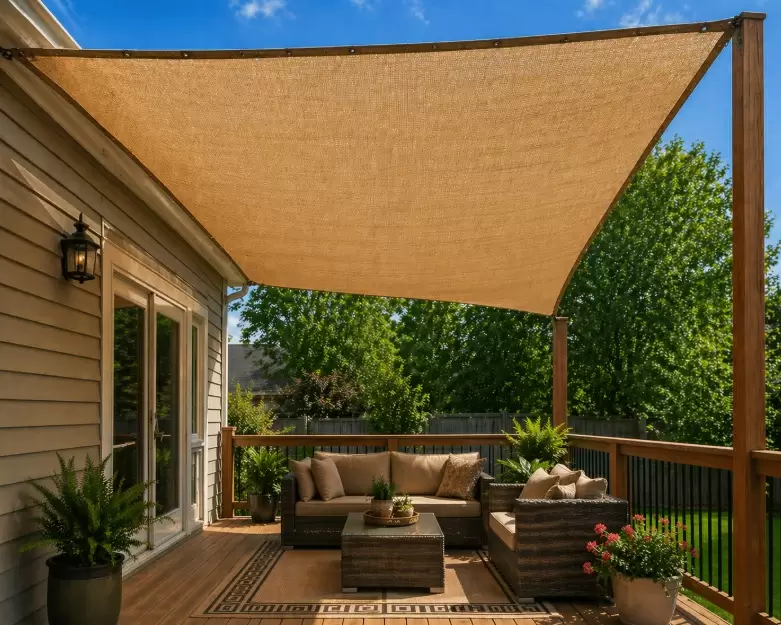
When the sun is strong and temperatures rise, Shade Tarps become one of the most practical tools for protecting people, equipment, plants, and property. Whether used in residential backyards, construction zones, agricultural operations, or outdoor dining areas, Shade Mesh Tarps provide dependable coverage while still allowing airflow and visibility.
Unlike Solid Tarps, Shade Tarps are designed with breathable mesh fabrics that reduce heat buildup and minimize wind resistance. These features make them ideal for applications where ventilation and comfort matter just as much as protection.
Today, Shade Tarps and Mesh Tarps are widely used across industries from landscaping and recreation to agriculture and construction as well as residential because they deliver durability, versatility, and cost-effective performance. In many cases, they also include UV resistance and fire retardant options to meet safety requirements in demanding environments.
What Are Shade Tarps?
Shade Tarps often called Shade Mesh Tarps or Sun Shade Tarps, are protective coverings made from woven or knitted mesh materials. These Tarps are engineered to block a percentage of sunlight while allowing some air and moisture to pass through.
The result is a cooler, more comfortable environment.
Common materials used in Shade Tarps include:
- High-Density Polyethylene (HDPE)
- Vinyl-Coated Polyester Mesh
- PVC-Coated Mesh Fabrics
- Polypropylene Mesh
These materials are selected for strength, durability, and UV resistance. Many Mesh Tarps are also designed to resist tearing and withstand outdoor weather conditions for extended periods.
Key Features of Shade Mesh Tarps
Understanding the features of Shade Tarps helps buyers choose the right solution for their specific application. Below are the most important characteristics to consider.
Shade Factor
The shade factor indicates how much sunlight the tarp blocks.
Typical shade factors include:
- 40% Shade: Light filtering and visibility
- 60% Shade: Moderate cooling and sun reduction
- 70%–80% Shade: Popular for patios and landscaping
- 90%–95% Shade: Maximum sun protection and privacy
For example, tighter mesh fabrics can provide shade factors of up to 90%–95%, significantly reducing solar radiation while maintaining airflow.
Higher shade percentages are often used in:
- Construction sites
- Outdoor seating areas
- Agricultural settings
- Privacy screens
Material Strength and Durability
Shade Tarps are designed to handle outdoor environments.
Typical benefits include:
- UV resistance
- Tear resistance
- Breathable mesh construction
- Weather durability
- Lightweight handling
Many Mesh Tarps feature reinforced stitching and coated fibers to improve performance and extend service life.
Grommets and Reinforcement
Grommets are essential for secure installation.
Common grommet specifications include:
- 3/8-inch inside diameter
- Brass, stainless steel, or aluminum materials
- Spacing every 12 to 36 inches
- Reinforced hems and corners
Properly spaced grommets distribute tension evenly and help prevent tearing during installation or high winds.
Sizes and Custom Options
Shade Tarps are available in a wide range of sizes.
Common standard sizes include:
- 6' x 10'
- 10' x 20’
- 20' x 30'
- 30' x 50'
Custom sizes are also widely available, allowing users to match exact dimensions for:
- Fences
- Equipment
- Outdoor structures
- Construction zones
Custom fabrication ensures a precise fit and improved performance.
Color Options
Shade Tarps are available in multiple colors to match functional and aesthetic needs.
Popular colors include:
- Black
- Green
- Blue
- Tan
- Brown
- Gray
- White
Color choice can influence heat absorption, visibility, and appearance.
For example:
- Black provides strong UV protection and privacy
- Green blends well with landscaping
- Tan and brown complement outdoor environments
Fire Retardant Options
In commercial and industrial settings, fire safety is critical.
Fire Retardant Shade Tarps are designed to meet recognized safety standards such as:
- NFPA 701
- California Title 19
- ASTM E-84
These Fire Retardant/Fire Resistant Tarps are commonly used in:
- Construction sites
- Industrial facilities
- Event venues
- Public spaces
Fire Retardant Mesh Tarps can be manufactured to meet these standards while maintaining airflow and shade performance.
Popular Shade Tarp Products
Shade Tarps come in many forms, each designed for specific applications. Below are some of the most widely used products across residential, commercial, and industrial environments.
Shade Tarps
Standard Shade Tarps provide general sun protection and cooling.
They are commonly used for:
- Patios
- Outdoor seating areas
- Equipment coverage
- Recreational spaces
These Tarps offer a balance of shade, ventilation, and durability.
Mesh Tarps
Mesh Tarps are among the most versatile shade solutions available.
Benefits include:
- Reduced wind resistance
- Airflow and ventilation
- Lightweight handling
- Durable construction
- Provide a barrier against bugs and other pests
Mesh Tarps are widely used in construction and transportation because their breathable design reduces stress from wind pressure.
Mesh Truck Tarps
Mesh Truck Tarps are designed for hauling materials such as:
- Gravel
- Mulch
- Sand
- Debris
Their open-weave design allows air to pass through, reducing drag and improving safety during transportation.
Windscreens and Privacy Fence Screens
Windscreens and Privacy Fence Screens provide both shade and privacy.
Common uses include:
- Sports fields
- Construction sites
- Residential fencing
- Commercial properties
These screens can block wind and sunlight while maintaining visibility and airflow.
Hurricane Barrier Mesh Tarps
Hurricane Barrier Mesh Tarps are engineered for severe weather conditions.
Key advantages include:
- High strength
- Wind resistance
- Airflow management
- Storm protection
These Tarps help reduce structural damage by allowing wind and water to pass safely through the material.
Debris Netting and Construction Shade Mesh Products
Construction sites rely heavily on Safety Debris Netting and Shade Mesh Tarps.
These products help:
- Protect workers
- Reduce dust
- Improve site safety
- Control falling debris
Debris Netting and Mesh Tarps are essential tools for maintaining safe and compliant job sites.
Solid Material Tarps
Solid Tarps provide full coverage where shade alone is not enough.
Common materials include:
- Vinyl
- Polyethylene
- Canvas
These Tarps are often used in combination with mesh tarps to provide both protection and shade.
Custom Shade Tarps
Custom Shade Mesh Tarps are designed for unique applications.
Examples include:
- Equipment enclosures
- Building partitions
- Outdoor workspaces
- Recreational structures
Custom solutions ensure maximum coverage and efficiency.
Shade Tarp Fabric by the Yard and Roll
For DIY projects and large installations, Shade Tarp Fabric is available by the Yard and Roll.
These options are ideal for:
- Contractors
- Builders
- Facility managers
- Agricultural operations
- Homeowners
Fabric rolls allow users to create custom solutions on demand.
Common Uses of Shade Tarps
Shade Tarps are incredibly versatile. Their ability to provide sun protection while allowing airflow makes them useful across many environments.
Backyards and Outdoor Living Spaces
Shade Tarps help create comfortable outdoor areas.
Popular uses include:
- Patio shade
- Deck coverage
- Play areas
- Outdoor kitchens
These installations reduce heat and improve comfort during warm weather.
Gardens and Landscaping
Gardeners and landscapers use Shade Tarps to protect plants from excessive sunlight.
Benefits include:
- Reduced plant stress
- Moisture retention
- Improved growth conditions
- Temperature control
Shade Tarps also help protect newly planted vegetation. These covers are also idea as protecting loads being hauled.
Fences and Kennels
Shade Tarps are commonly used on fences and animal enclosures.
Applications include:
- Dog kennels
- Livestock areas
- Privacy fencing
- Wind barriers
These installations help maintain cooler and safer environments for animals and living areas.
Pool Areas
Shade Tarps provide relief from direct sunlight around swimming pools.
Benefits include:
- Reduced water evaporation
- Cooler deck surfaces
- UV protection
They also help create more comfortable recreational spaces. Mesh Tarps are also commonly used to cover pools, including the Poly Pro Mesh Pool Covers.
Outdoor Restaurants and Beer Gardens
Restaurants and hospitality venues rely on Shade Tarps to improve customer comfort.
Common benefits include:
- Temperature control
- Sun protection
- Extended outdoor seating
- Improved customer experience
These Shade Tarps help businesses maximize outdoor areas and capacity.
Camping and Recreational Vehicles (RV)
Shade Tarps are essential for outdoor recreation.
Popular uses include:
- Campsite shelters
- RV shade structures
- Equipment protection
- Picnic areas
Shade and Mesh Tarps provide comfort and protection during travel and outdoor adventures.
Agriculture
Farmers use Shade Tarps to protect crops, animals, and equipment.
Common agricultural applications include:
- Crop harvest protection Livestock shade
- Equipment storage
- Greenhouse coverage
Shade Tarps help regulate temperature and improve productivity.
Construction Sites
Construction environments demand reliable shade and protection.
Shade Tarps are used to:
- Protect workers from sun exposure
- Reduce heat stress
- Control dust and debris
- Improve job site safety
The Shade Tarps breathable design makes them ideal for outdoor work environments.
Installation Tips for Shade Tarps
Proper installation ensures maximum performance and longer service life.
Follow these practical guidelines:
Use All Available Grommets
Even tension across all attachment points prevents damage and improves stability.
Choose the Right Fasteners
Recommended fastening options include:
These fasteners help secure the Tarp safely and efficiently.
Maintain Proper Tension
Avoid overstretching the material.
Instead:
- Keep the Tarp snug but flexible
- Allow slight movement in windy conditions
This approach reduces stress on grommets and seams.
Provide Adequate Support
Large installations should include structural support.Examples include:
- Posts
- Frames
- Fencing
- Overhead or surrounding structures
Proper support prevents sagging and improves performance.
Inspect Regularly
Routine inspections help identify issues early.
Check for:
- Loose fasteners
- Tears, holes, or other damage
- Worn grommets
Prompt repairs extend the lifespan of the Tarp.
Why Shade Tarps Are A Smart Investment
Shade Tarps deliver dependable protection across a wide range of environments. Their breathable design, durable materials, and flexible installation options make them one of the most practical solutions for sun control and outdoor protection.
Key advantages include:
- Reduced heat and sunlight exposure
- Improved comfort and safety
- Provides privacy
- Extended equipment and material life
- Cost-effective protection
- Versatile applications
From residential backyards to large-scale construction projects, Shade Tarps continue to prove their value as reliable, long-lasting solutions.
If you have any questions or need help with Shade Tarps or any of our Tarp products and accessories, please contact Tarps Now today at (888) 800-1383 or sales@tarpsnow.com. Our Michigan based Tarp Team looks forward to being of service.
