
As the 2026 severe weather season approaches, homeowners, businesses, contractors, farmers, and property managers are preparing for another year of hurricanes, tornadoes, heavy rain, flooding, and damaging winds. Forecasts from NOAA, the National Hurricane Center (NHC), Colorado State University, and other weather experts indicate that the Atlantic hurricane season is projected to by slightly below average but may still bring significant storm risks despite the outlook regarding overall storm activity.
The Atlantic Hurricane Season officially runs from June 1 through November 30. During this time, strong storms can rapidly develop and cause costly damage to homes, roofs, other structures, equipment, vehicles, construction sites, outdoor spaces, and commercial facilities.
Tornado activity also remains a major concern across large parts of the United States, especially throughout the Midwest, Southeast, Gulf Coast, and Plains states. Tornadoes often develop with little warning and can produce destructive winds, flying debris, and structural damage in only minutes.
Fortunately, preparation before storms arrive can greatly reduce damage and recovery costs. One of the most affordable and effective ways to prepare is by using Storm Tarp Products such as Hurricane Tarps, Hurricane Barrier Mesh Tarps, Waterproof Tarps, Waterproof Canvas Tarps, Vinyl Tarps, Clear Vinyl Tarps, Drain Tarps, Poly Tarps, Mesh Tarps, Fabric by the Yard, and Custom Tarps.
2026 Hurricane Season Forecast
Early forecasts for the 2026 Atlantic hurricane season expect a somewhat less than average year, but many experts still expect an active season with the potential for dangerous storms. Seasonal forecasts from Colorado State University and other meteorological groups suggest:
- 12 to 15 named storms
- 5 to 9 hurricanes
- 2 to 4 major hurricanes
- Increased risk of Gulf Coast and Southeast U.S. impacts
NOAA and the National Hurricane Center continue to emphasize that even one landfalling storm can create catastrophic damage regardless of how “active” the season appears overall. Warm ocean temperatures and Gulf water conditions remain important factors for storm development and rapid intensification.
Storm surge, flooding rain, tornadoes, high winds, and airborne debris remain the greatest threats during hurricanes and tropical storms.
2026 Tornado Outlook
Severe thunderstorm activity and tornado outbreaks are, as usual, also expected throughout much of the central and eastern United States during spring and summer 2026.
Tornadoes can:
- Destroy residences and buildings
- Rip off roofing materials
- Break windows and siding
- Damage equipment and vehicles
- Create roof leaks and water intrusion
- Scatter debris over large areas
- Damage construction projects and outdoor inventory
Because tornadoes often strike quickly, having emergency Tarps and other storm protection materials already available can make a major difference during cleanup and temporary repairs.
Why Storm Preparation Matters
Storm damage becomes much worse when water enters structures after roofing or siding becomes compromised. Even small openings can lead to:
- Mold and mildew growth
- Interior water damage
- Electrical issues
- Insulation damage
- Destroyed inventory and equipment
- Long-term structural problems
Quick action using temporary storm covers and waterproof barriers helps minimize additional losses while permanent repairs are scheduled.
Popular Storm Protection Tarps and Covers
Hurricane Tarps
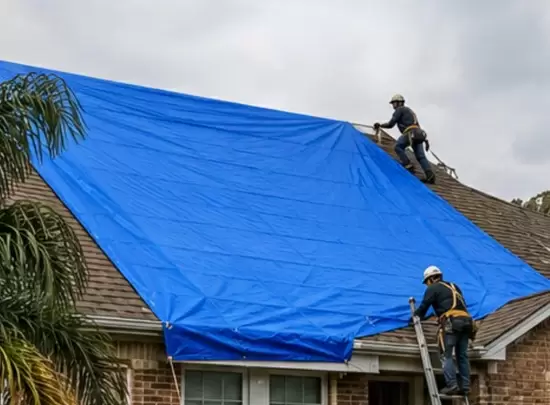
Hurricane Tarps are specifically designed for emergency storm coverage and temporary roof protection. These Heavy Duty Tarps include Poly Tarps and Vinyl Tarps. These are commonly used after hurricanes, tornadoes, severe thunderstorms, and wind events.
Common features include:
- Waterproof materials
- UV resistance
- Heavy-duty reinforced hems
- Rust-resistant grommets
- Tear-resistant fabrics
- Large coverage sizes
Roof Tarps help prevent additional rainwater from entering damaged homes and buildings after storms.
Hurricane Barrier Mesh Tarps
Hurricane Barrier Mesh Tarps are designed to reduce wind pressure while still providing protection from flying debris. Unlike Solid Tarps, mesh materials allow controlled airflow to pass through.
Benefits include:
- Reduced wind stress
- Excellent airflow
- Debris protection
- Perimeter security
- Construction site protection
- Scaffold and building enclosure applications
These products are commonly used in hurricane-prone coastal areas and construction zones.
Mesh Tarps
Mesh Tarps are extremely versatile during storm season. They are often used for:
- Debris containment
- Fence screening
- Wind reduction
- Equipment shading
- Scaffold protection
- Outdoor site barriers
Their breathable design helps reduce stress caused by strong winds.
Waterproof Tarps
Waterproof Tarps are among the most important storm preparation products available. They are used to cover:
- Roofs
- Outdoor furniture
- Vehicles
- Machinery
- Lumber and supplies
- Generators
- Construction materials
Heavy Duty Waterproof Tarps help keep moisture out while protecting against UV exposure and wind-driven rain.
Waterproof Canvas Tarps
Waterproof Canvas Tarps provide durable protection while remaining breathable. These Tarps are commonly used where condensation reduction matters.
Popular applications include:
- Equipment protection
- Agricultural storage
- Outdoor work areas
- Temporary shelter systems
- Storm preparedness kits
Canvas Tarps are known for durability and long-term outdoor performance.
Vinyl Tarps and Clear Vinyl Tarps
Vinyl Tarps offer exceptional strength and waterproof performance. Heavy duty vinyl materials are ideal for demanding weather conditions and long-term outdoor exposure.
Clear Vinyl Tarps provide an added advantage by allowing visibility and natural light while still protecting against:
- Rain
- Wind
- Cold weather
- Moisture intrusion
These products are commonly used around patios, outdoor workspaces, construction sites, industrial areas, restaurants, warehouses, and temporary enclosures.
Drain Tarps and Leak Diverters
Drain Tarps, also known as Leak Diverters, help manage roof leaks and water intrusion inside buildings. These systems collect leaking water and redirect it safely away using drain fittings and hoses.
They are commonly used in:
- Warehouses
- Factories
- Schools
- Commercial buildings
- Retail stores
- Industrial facilities
- Homes and apartments
Using Drain Tarps can help prevent:
- Slip hazards
- Equipment damage
- Inventory loss
- Interior flooding
Poly Tarps
Poly Tarps remain one of the most widely used storm protection products because they are lightweight, waterproof, affordable, and available in many sizes and thicknesses.
Heavy Duty Poly Tarps are commonly used for:
- Emergency roof covers
- Firewood protection
- Outdoor storage
- Vehicle coverage
- Temporary shelters
- Construction projects
Super Heavy Duty Poly Tarps offer increased durability for severe weather conditions.
Fabric by the Yard and Custom Tarps
Some storm protection projects require specialized dimensions or unique coverage areas Fabric by the Yard and Roll along with Custom Tarps allow users to create solutions tailored to exact needs.
Custom Storm Covers are ideal for:
- Large equipment
- Industrial facilities
- Generator covers
- Temporary walls
- Boat covers
- Oversized roof sections
- Unique structures
Custom options help eliminate gaps and improve overall storm protection.
Storm Damage Prevention Tips
Preparing before storms arrive is critical. Here are several important ways to minimize storm damage:
- Inspect roofs and repair weak areas early
- Keep emergency Tarps and fasteners ready
- Trim trees and remove loose debris
- Secure outdoor furniture and equipment
- Protect windows and exposed openings
- Store sandbags and emergency supplies
- Use Waterproof Tarps on sensitive equipment
- Install Drain Tarps immediately when leaks appear
- Use all Tarp Grommets for even tension and secure anchoring
- Check weather alerts regularly during storm season
The Importance of Fast Storm Response
After hurricanes or tornadoes strike, response time matters. Quick installation of protective tarps and covers can:
- Reduce interior water damage
- Protect valuables and inventory
- Help stabilize damaged structures
- Prevent additional repair costs
- Improve safety conditions
- Support faster recovery efforts
Having storm protection supplies already available before severe weather arrives can save valuable time during emergencies.
And Finally
The 2026 Hurricane and Tornado Seasons serves as another reminder that severe weather preparation is extremely important for homes, businesses, construction sites, farms, and industrial operations.
Whether forecasts call for a below average season or a highly active one, it only takes one major storm to create devastating damage. Using high-quality Hurricane Tarps, Waterproof Tarps, Hurricane Barrier Mesh Tarps, Vinyl Tarps, Drain Tarps, Poly Tarps, Mesh Tarps, Waterproof Canvas Tarps, and Custom Tarps can significantly reduce losses and help protect valuable property.
Planning ahead, securing vulnerable areas, and keeping emergency tarp systems available are some of the smartest and most affordable ways to improve storm readiness and minimize damage when severe weather strikes.
Stay informed, prepare early, and protect what matters most during the 2026 storm season.
If you have any questions or need assistance with Storm Tarps or any Covers, contact Tarps Now right now:
Phone: (888) 800-1383
Email: sales@tarpsnow.com
Website: tarpsnow.com
