
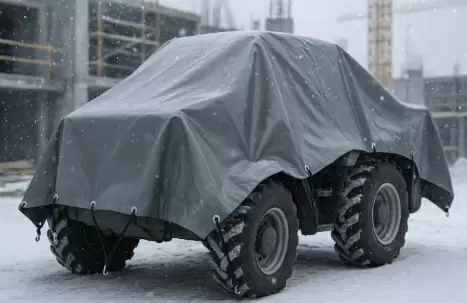
Weather issues and delays do not just eat time they chew up your budget. If your jobsite is not prepared for rain, sleet, snow, or heavy winds, it will end up slowing everything down.
Wet materials become unusable, equipment is compromised, slippery spots become a safety problem, and workers spend hours fixing these issues and cleaning up. This all affects deadlines and you end up behind schedule.
A smart weather plan can stop that. One of the easiest ways to protect your jobsite is with Waterproof Tarps.
Why Weather Prep Should Be Part of the Job Plan
You cannot control the forecast but you can prepare for the weather.
Rain, sleet, and snow do not just make things wet, they make them dangerous.
- Wet lumber can warp or grow mold.
- Frozen concrete or soaked drywall becomes a waste.
- Tools rust and malfunction.
- Open framing gets coated in ice or snow.
When these things happen, workers spend hours fixing the damage instead of moving forward with the project.
Construction Tarps give you a quick and effective way to shield what matters. When used right, they protect structures, equipment, and supplies while saving unnecessary labor costs.
Ask yourself: if it rains tonight, will your site be protected by morning?
Choosing the Right Tarp for the Job
Not all Tarps are the same. Choosing the wrong one wastes time and risks gear.
Here are your three top everyday choices for jobsite use:
- Lightweight and easy to move
- Cost-effective
- Waterproof and UV-resistant
- Best for temporary cover and daily use
Use Poly Tarps to cover:
- Lumber stacks
- Drywall pallets
- Tools, equipment, and vehicles
- Roofing supplies
Poly Tarps are easy to handle, fold fast, and store well in tight spots. Utilized for lighter duty and shorter periods.
- Heavy duty and more durable
- Waterproof
- Handles wind, snow, and long-term UV exposure
- More of an investment, but longer-lasting
Vinyl Tarps are your go-to for:
- Scaffold enclosures
- Snow and rain shields for heavy equipment
- Cold-weather wind blocks
- Material storage for extended time
Vinyl Tarps also resist cracking in cold temperatures. This makes them the better pick when snow and ice are in the forecast.
Think about how long the cover will stay up. If it is for an extended time, Vinyl Tarps are the answer.
- Layered with weather resistant outer surfaces with interior closed-cell foam that retains heat
- Heavy duty yet lightweight and easy to handle
- Cold weather, UV ray, and mildew resistant
- Concrete curing applications along with equipment and structure protection
Insulated Tarps are ideal with:
- Concrete curing and related work in cold weather
- Cold protection for equipment, supplies, and structures
- Segregating and securing large areas into more effective smaller areas
Insulated Tarps and Concrete Curing Blankets are extremely durable and provide protection against the cold weather, rain, sleet, snow, and wind.
Fast Deployment: Speed Matters
Storms do not wait for lunch breaks.
If your team cannot get a tarp up in 5 minutes or less, it is too slow.
Here is how to prep for speed:
- Pre-fold Tarps to fit each area
- Bundle with straps or bungees for quick grab-and-go
- Label each Tarp by use ("roof edge," "concrete pad," "tool bench")
- Store Tarps near the work zones they will be protecting
- Keep cord, clips, zip ties, and weights near the Tarps
Color-code Tarps by purpose or crew. This way no one grabs the wrong one in a rush.
Make it second nature. If the sky darkens, your crew should know exactly where to go and what to cover.
Securing Tarps the Right Way
The wind can be issue. If a Tarp is not secured tight, it will become a sail. Tarps that blow away or are flapping become annoying. Worse, they can become dangerous, damaging equipment or injuring someone.
Use every grommet. Do not skip corners or midpoints. Complete tie down creates proper coverage and equal tension.
Here is what works in tying Tarps down:
- Bungee Cords: Good for quick and versatile tie downs
- Utility Cord: Use for large spreads and tying to framing
- Zip Ties: Fast in applying especially with fences and scaffolds
- Sandbags: Weigh down edges over flat surfaces
- Stakes: Anchor to dirt or gravel
Always pull the Tarp tight before securing. A lose, flapping Tarp will be a nuisance and will tear causing additional problems.
If you are in a high-wind area, double up corners and edges. Consider cross-bracing cord/ropes or tying Tarps to rigid frames.
And always walk the site after setup and inspect. Loose or damaged Tarps are disruptive and dangerous.
Cold Weather-Specific Tips
Winter brings extra challenges. Tarps can help, but only if they are cold-ready.
Vinyl Tarps and Insulated Tarps stay flexible in more extreme temperatures. This Flexibility matters when covering important items.
Use Tarps to create:
- Wind barriers around open frames
- Warm-up stations for workers
- Covers for curing concrete
- Snow shields for walkways
Avoid water pooling on Tarps. It freezes into ice sheets and becomes a slip hazard and adds dangerous weight.
Lay Tarps on slopes or build tension so water runs off.
If snow piles on top, brush it off to eliminate weight builds up.
Even a simple lean-to with a Tarp can help keep supplies and tools clean and dry from the elements.
Wrapping Up the Day Right
Weather prep is not just about before the storm. It us also what happens after.
Each day, walk the site and check for:
- Are the Tarps still secure?
- Are grommets torn or missing?
- Has snow or ice built up?
If a Tarp is damaged, fix it or replace it. Do not wait.
Dry tarps before folding and storing. Wet Tarps can grow mold and mildew.
Store Tarps in bins or racks in a cool dry area off the ground and out of direct sunlight and away from high heat sources. Keep them organized.
Build Tarp kits for each crew truck:
- 1-2 folded tarps
- Rope or bungees
- Stakes or sandbags
- Tarp Repair Tape for patching
- Knife or scissors
When crews always have the proper gear, they can act fast and effectively.
Finally
You do not need to spend big to stay weather-ready. But you do need to plan.
A few Tarps in the right place, at the right time, will keep a job on track.
Set up a Tarp plan. Know what is needed, where it goes, and how to deploy it fast.
The next time the weather turns ugly, your crew will not be scrambling. They will be ready!
Waterproof Tarps can protect your jobsite from rain, snow, and freezing wind. Use Poly Tarps for light, short-term cover. Use Vinyl Tarps for heavy duty, long-term protection. Deploy Tarps quickly by having available, labeling, and storing near key areas. Always secure with every grommet to avoid blow-offs and unnecessary tension. Check and maintain daily, especially in cold weather.
* * CUSTOMER NOTIFICATION * *
The Tarps Now Monthly Customer Photo Contest is Happening for October
Tarps Now is pleased to Announce October’s Monthly Customer Photo Contest, giving you the chance to show off your Tarps through our website in action, and WIN!
How It Works:
We encourage all Tarps Now customers to submit photos of Tarps, Covers, or Industrial Curtains purchased from us being used in real-world applications. Whether it is a Tarp protecting equipment or covering a truck, a creative shelter, a curtain system dividing a warehouse, or whatever application you may have, we want to see how our products are working for you.
Contest Details:
- Prize: A $200 Amazon Gift Card will be awarded to the winning submission each month.
- Deadline: Entries must be submitted by 11:59:59 PM ET on October 31.
- Entry Limit: Each photo can only be submitted once.
- Verification: Only images of Tarps Now products are allowed. Orders and customers will be verified before official entry.
Usage Rights:
By submitting photos, you grant Tarps Now the right to use your images at our discretion for product promotion, social media, website content, and other marketing purposes.
